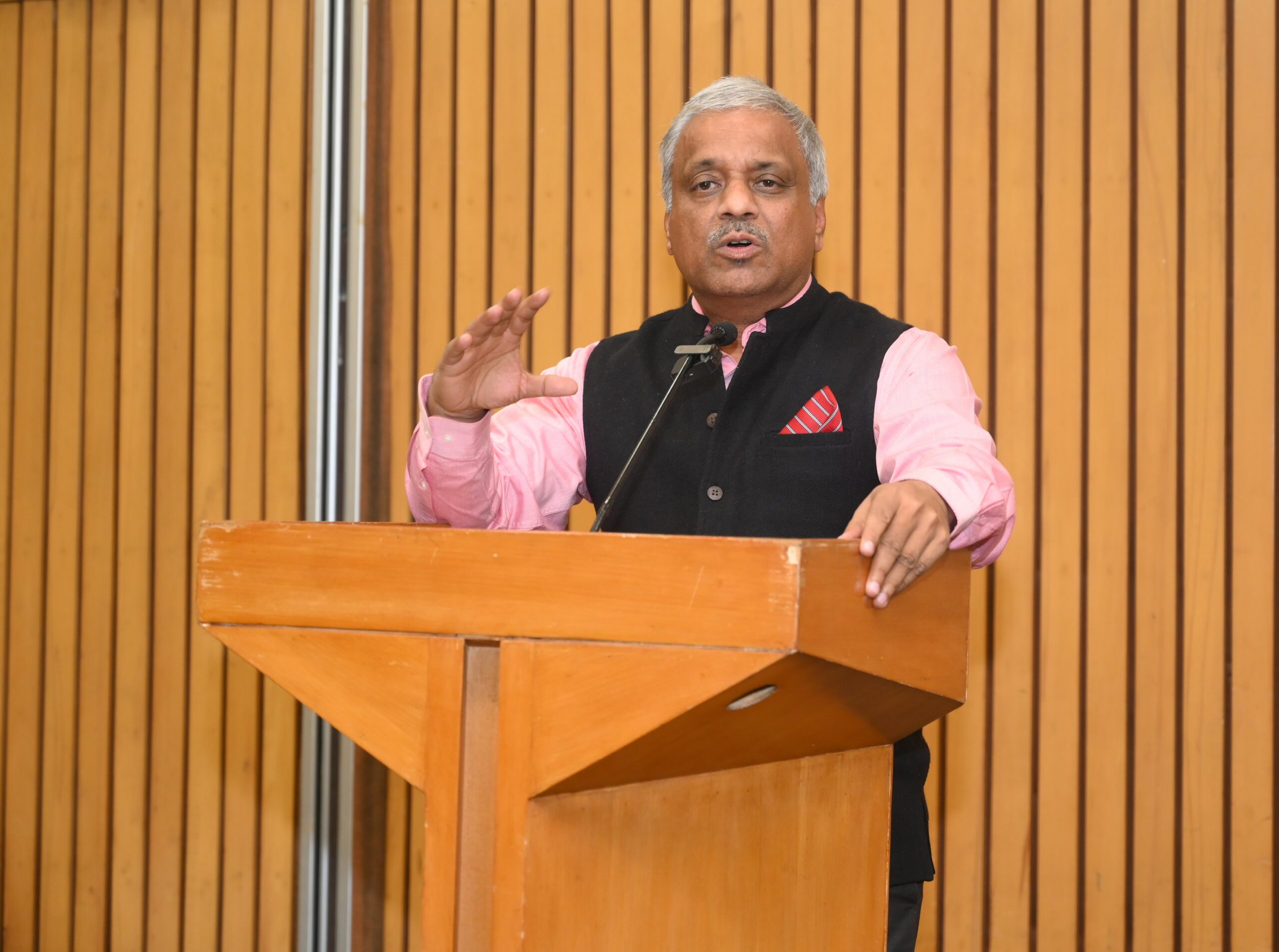
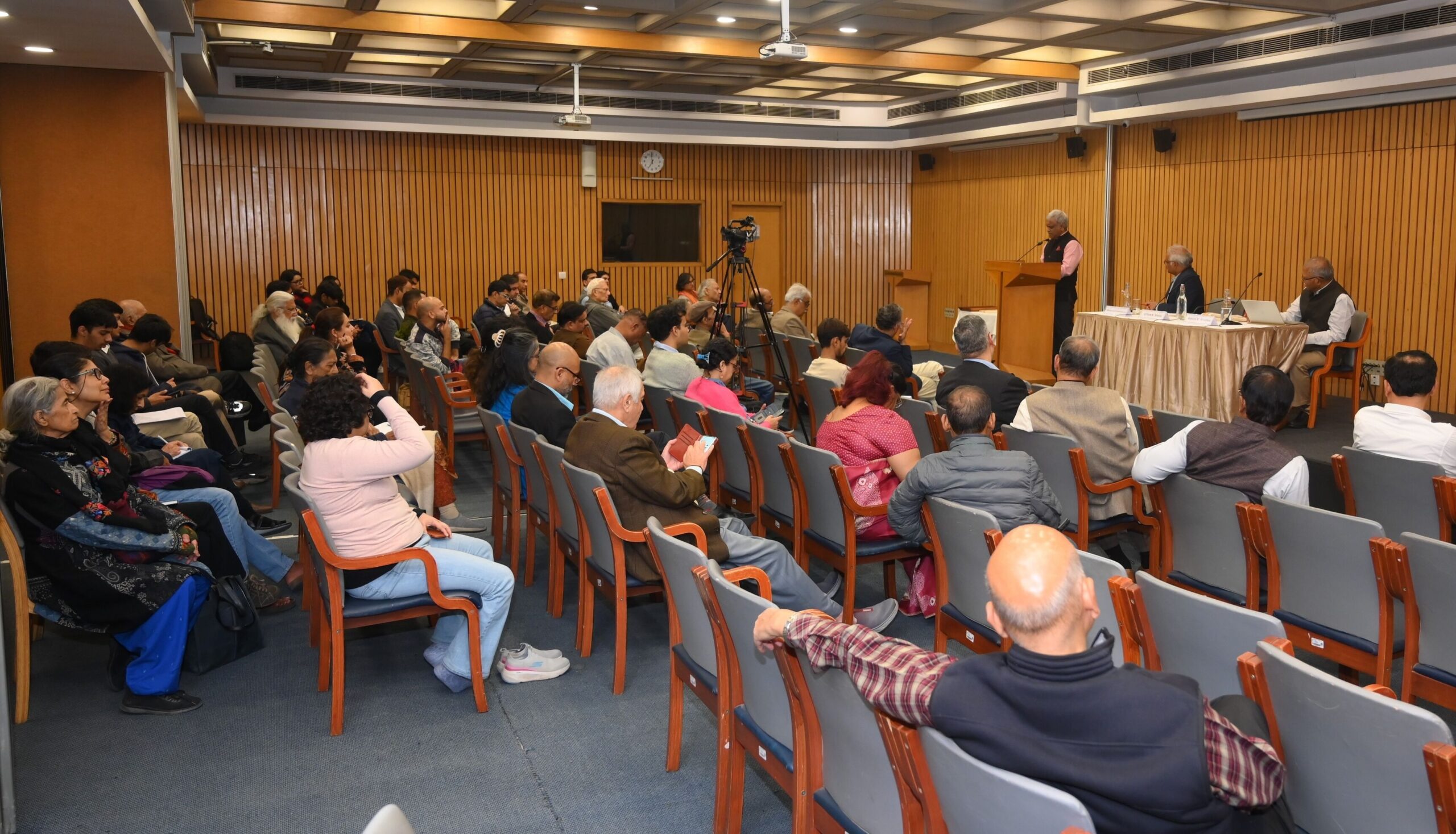
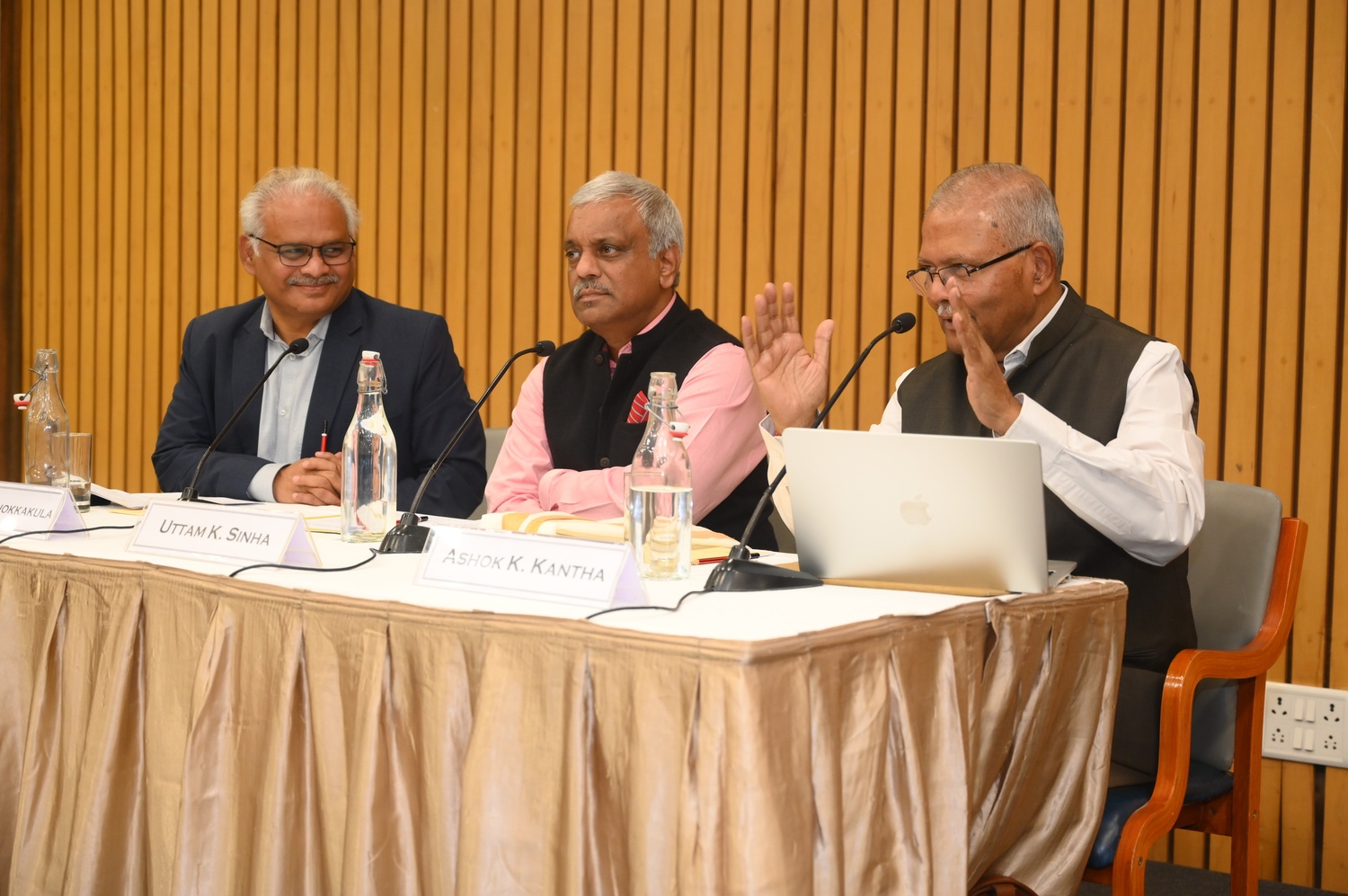
This lecture examines the shifting logic of the Indus Waters Treaty — from an era when hydrology took precedence over politics to one where politics dominates the hydrological discourse. Conceived as a technical arrangement insulated from conflict, the Treaty’s implementation has nonetheless mirrored the fluctuating tenor of bilateral relations. India’s recent abeyance of the IWT framework represents not only a procedural rupture but a strategic assertion that water is inseparable from national security and foreign policy. Conversely, Pakistan’s continued portrayal of the Treaty as a legal and moral safeguard reflects its deep existential dependence on the Indus system. Cooperation today is constrained not by engineering limits but by the erosion of political trust.
Dr. Uttam K. Sinha
Dr. Uttam Kumar Sinha is a leading voice on transboundary water governance, climate change, and Arctic geopolitics. He joined the Institute for Defence Studies and Analyses (now Manohar Parrikar-IDSA) in 2001. As a Senior Fellow, he leads the Centre for Non-Traditional Security and serves as Managing Editor of Strategic Analysis, the institute’s flagship journal published by Routledge.