Locating Water-centric Urban Planning and Governance
July 8, 2024
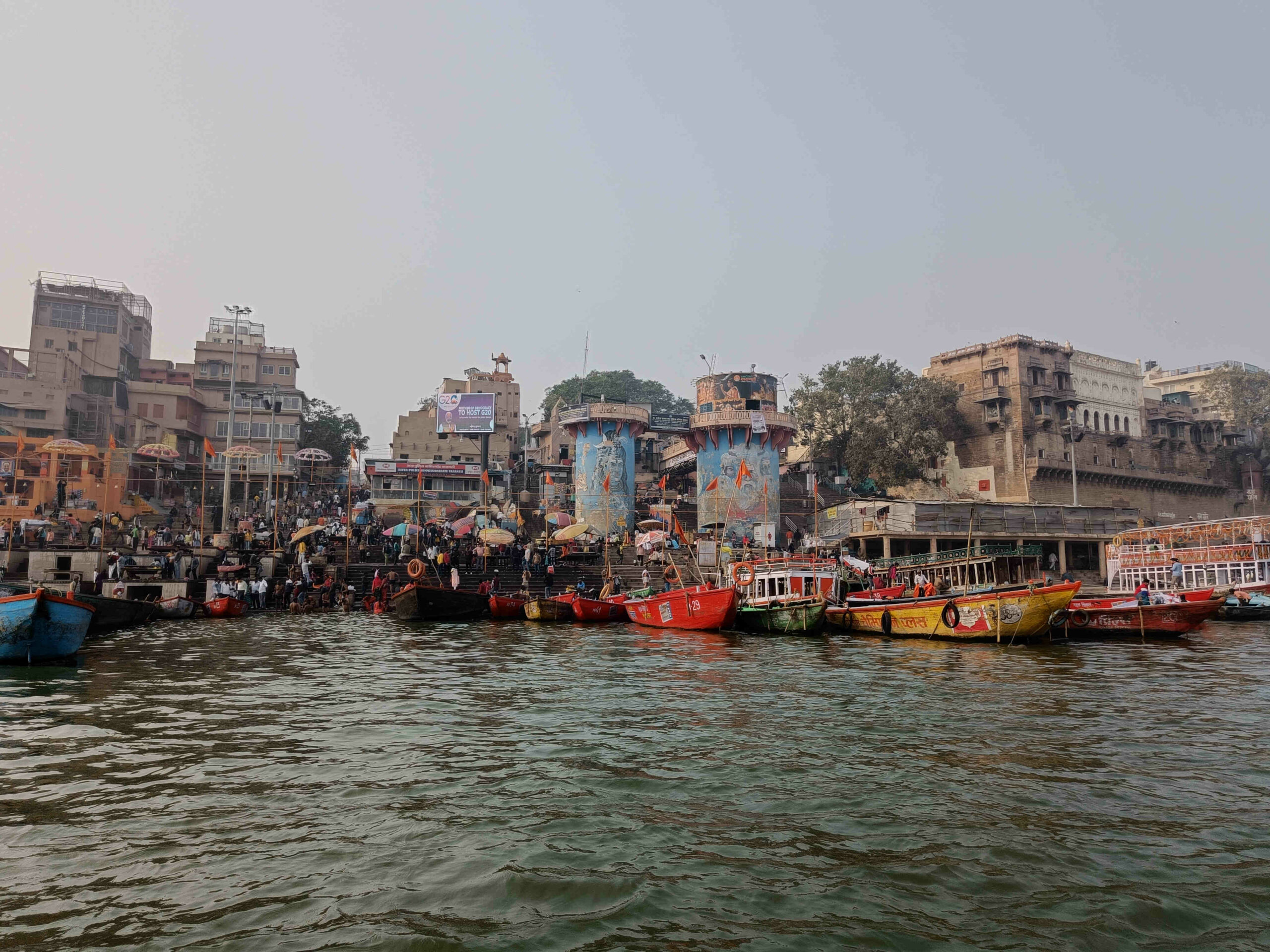
A distinct feature of the Namami Gange Programme (NGP) is to take cognizance of the problem of river pollution as a systemic one and recognize cities as part of the larger river ecosystem. This reimagined frame for approaching rejuvenation of the Ganges acknowledged that the river ecosystem health concerns should be factored into the urban planning and governance practices, and river rejuvenation agenda must be institutionalized at the local body level.
In this regard, the Master Plan remains the sole statutory instrument to guide spatial development with land use planning and infrastructure development as its primary components. The Master Plan can be a potent means to address river pollution in the reimagined systemic frame of the city as an integral part of a river ecosystem.
The project seeks to engage with the instrument of Master Plan to revisit the idea of statutory spatial planning for environmental management. It particularly focuses on the rationalities of the Master Plan and recalibrating its application for river-centric imagination to contribute to the NGP goals in the long-term for the Ganges Basin States. The core interest of this investigation is to address critical questions on whether the Master Plan is limited by its design as a spatial instrument and constricted by accompanying institutional cultures that are conceived to regulate spatial growth to pursue the goal of river-centric urban planning.