Projects and Partnerships
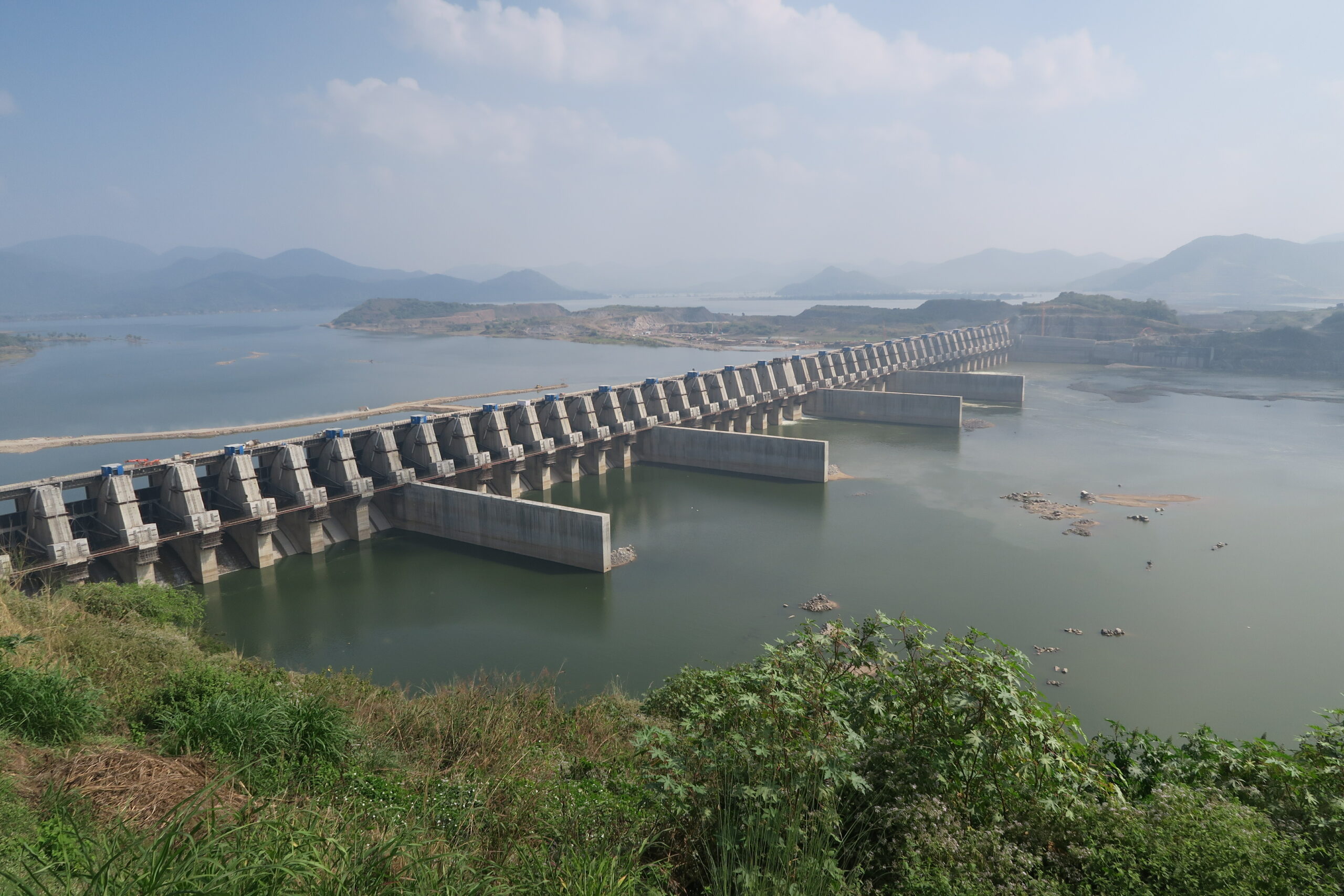
The TREADS Initiative at CPR combines research with policy interests in riverine ecologies, river water governance, and development studies. It is principally interested in researching water policy and governance of transboundary rivers, especially interstate river water conflicts and cooperation in South Asia. The Initiative has allied interests in federalism, politics of infrastructure development (dams, smart cities, rural roads), and urban water security.
The Initiative takes an interdisciplinary approach to contemporary policy questions and contributes towards creating actionable, transformative impact. TREADS has institutional ties with the Ministry of Jal Shakti (MoJS) and the National Mission for Clean Ganga (NMCG) to deliver quality research output for enduring and tangible policy changes.
In 2021, the Initiative signed a Memorandum of Understanding (MoU) with the National Mission for Clean Ganga (NMCG) to pursue a collaborative research programme to improve the outcomes of the Government of India’s flagship Namami Gange Programme and inform policy thinking about rejuvenating India’s rivers.
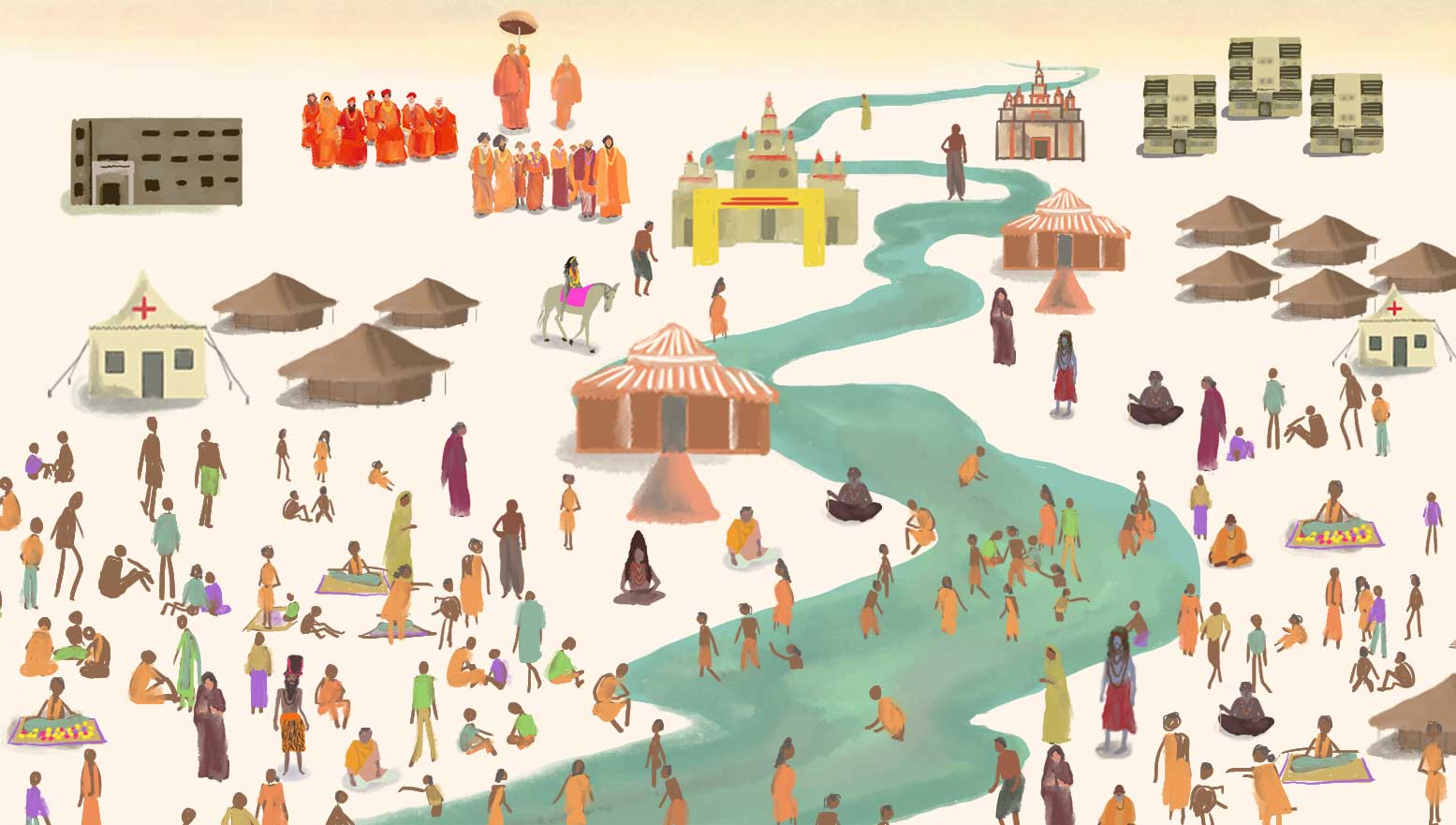
With the support of the National Mission For Clean Ganga (NMCG), TREADS has embarked on a pilot project on 'Reading the Rituals of Maha Kumbh for River Rejuvenation.' This ongoing project explores the profound relationship between the river and society that manifests as rituals in our culture. The research aims to steer people’s spiritual fervour towards an ecological consciousness and foster a more sustainable engagement with the river.
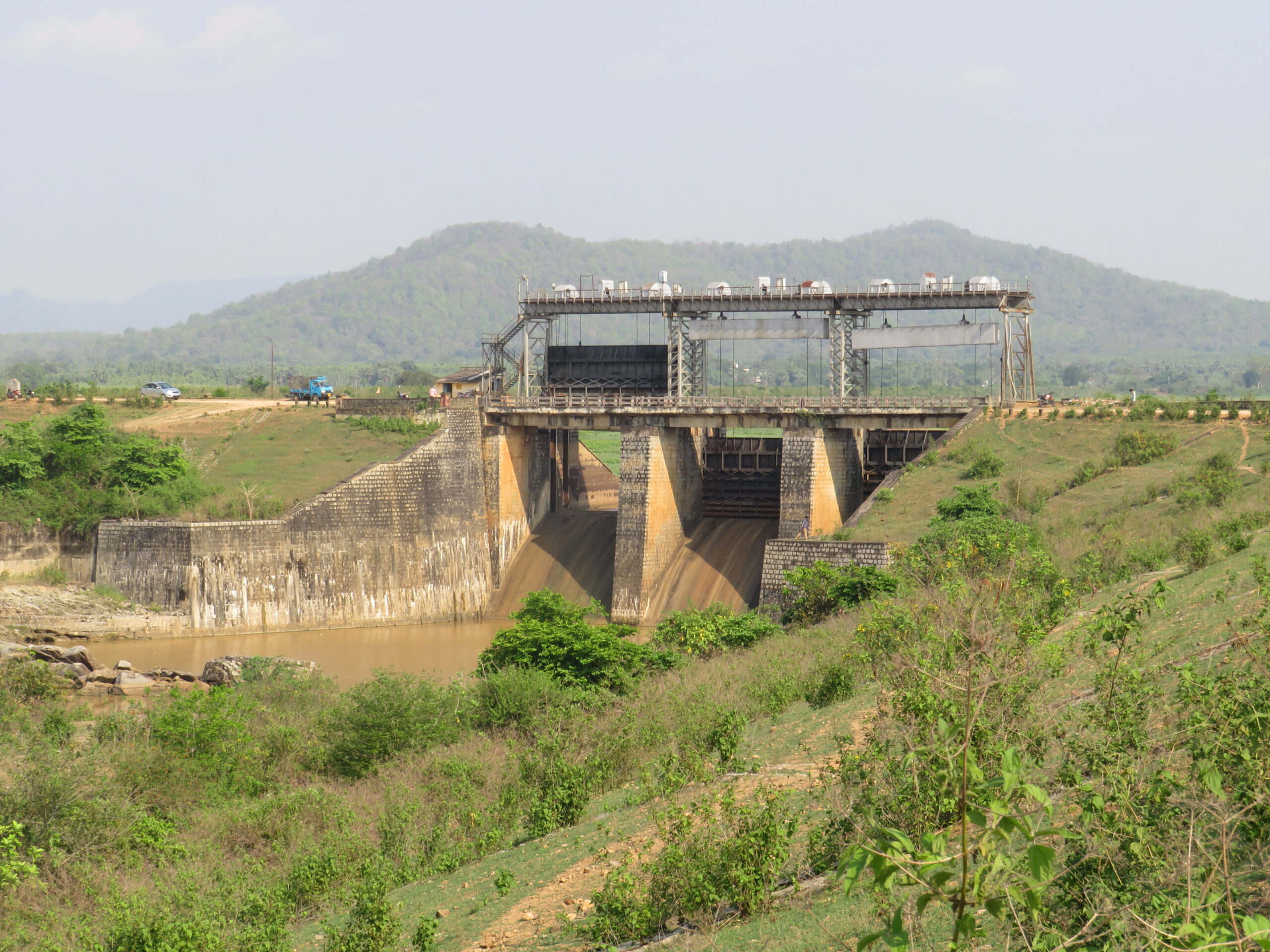
The research delves into interstate cooperation for Ganga to assess the interstate relations within the Ganga basin and identify the potential policy directions and institutional solutions to pursue them.
This project is being supported by the National Mission for Clean Ganga (NMCG).
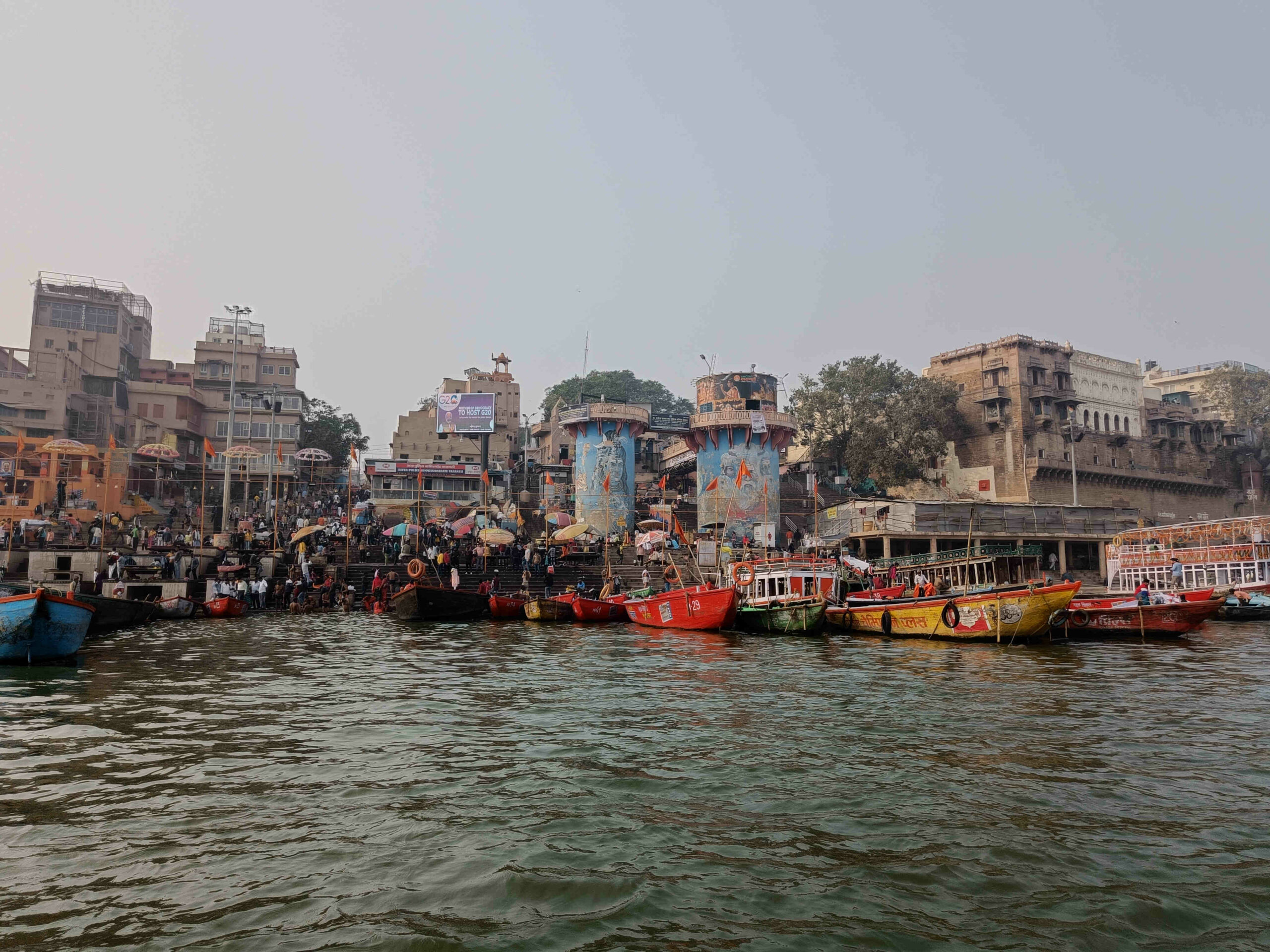
The project seeks to engage with the instrument of Master Plan to revisit the idea of statutory spatial planning for environmental management. It particularly focuses on the rationalities of the Master Plan and recalibrating its application for river-centric imagination to contribute to the NGP goals in the long-term for the Ganges Basin States.
This project is being supported by the National Mission for Clean Ganga (NMCG).
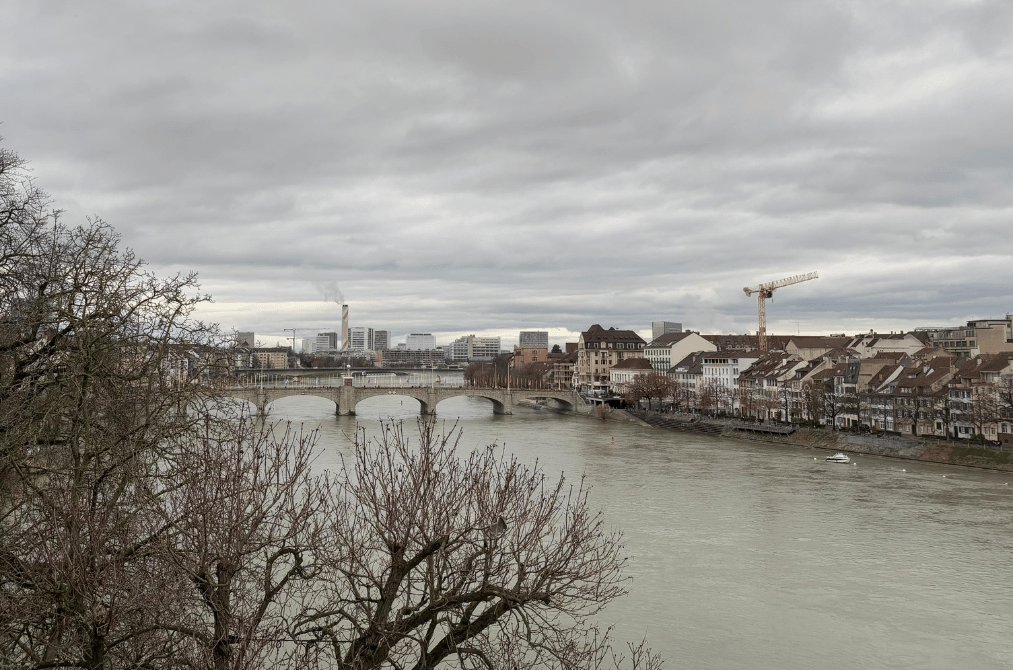
The research seeks to distill opportunities for learning from European experiences in the broader terrain of political, policy, and institutional issues and aims at developing a CPR-NMCG collaborative knowledge exchange programme with relevant European institutions.
This project is being supported by the National Mission for Clean Ganga (NMCG).
Dr. Srinivas Chokkakula’s (Chief Executive, CPR and Lead, TREADS) appointment as the Ministry of Jal Sakti (MoJS) Professorial Research Chair — Water Conflicts and Governance led to a unique partnership between the Ministry and TREADS. This partnership enables the TREADS Initiative to pursue a research agenda with maximum policy uptake to address the most challenging questions of interstate river water conflict and cooperation. The partnership also serves as a conduit between scholarly pursuits and their real-time impact on policy-making.
Scale, Institutions and Networks (SINets)

CPR, in partnership with The Asia Foundation (TAF), was part of the Australian government initiative—the Sustainable Development Investment Portfolio (SDIP). The SDIP’s goal is to improve water-energy-food security in South Asia, focusing on the poor and vulnerable groups in the Indus, Ganges, and Brahmaputra river basins. The initiative’s key strategies include engaging with intra-country institutional structures and building critical knowledge bases to improve regional cooperation over transboundary rivers in South Asia.
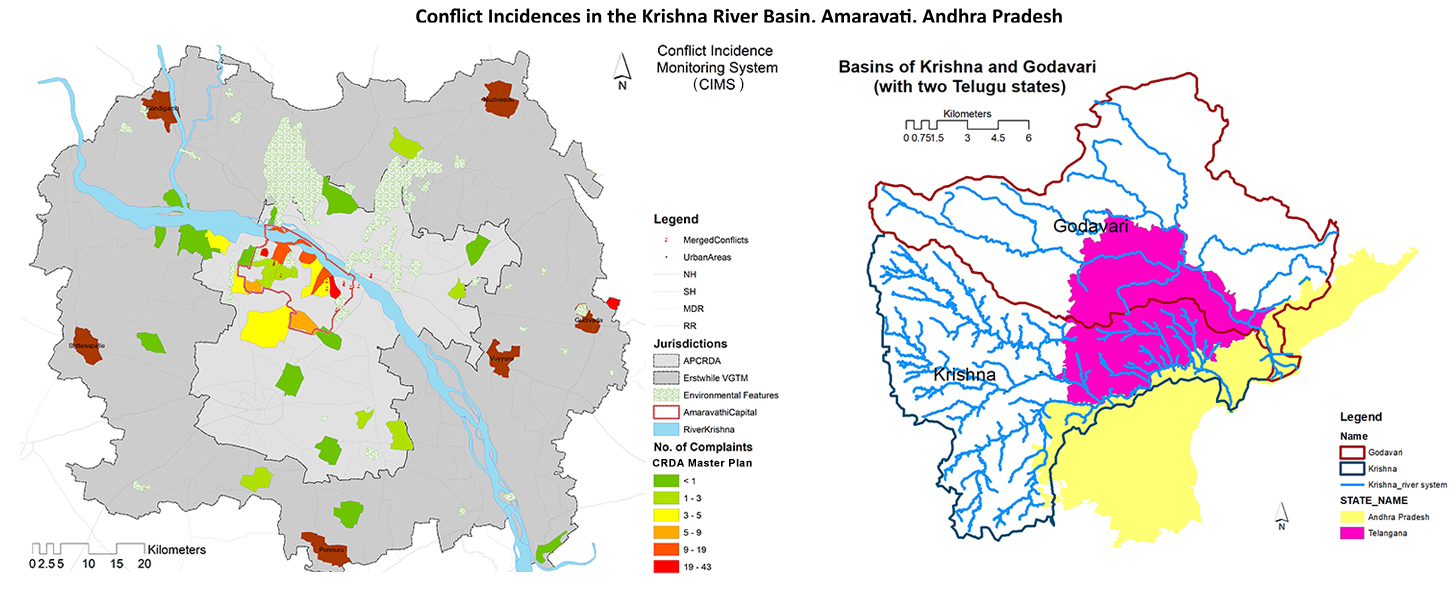
The project, supported by The Asia Foundation (TAF), developed a framework for monitoring disputes over natural resources. This pilot project is located in the Krishna river basin in Andhra Pradesh. Disputes over natural resources emerge due to gaps in corresponding policy and governance mechanisms. CIMS experiments a methodology for monitoring and studying dispute incidences to draw lessons for policy making and designing institutions for better governance of natural resources.
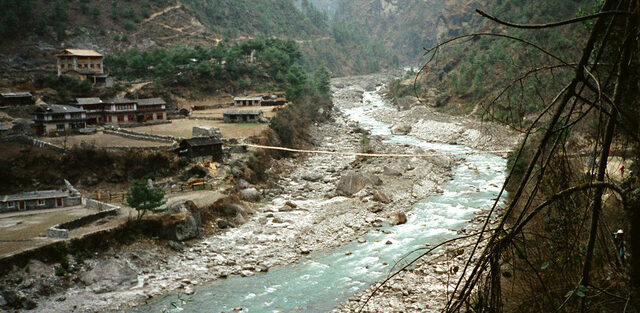
The research, supported by The Asia Foundation (TAF), engages with the challenge of inclusive and informed politics in transboundary river water governance. This examines the premise that better access of non-state actors to information leads to more inclusive politics and transboundary river water governance. The study focused on the Kosi River basin shared by India and Nepal to look at the politics of transboundary river water governance for flood protection.

The research project explores the nature of megacities in India to articulate and address the governance challenges. The project was led by late Mr. K C Sivaramakrishnan and coordinated by Dr. Srinivas Chokkakula.